
Description
Product Overview
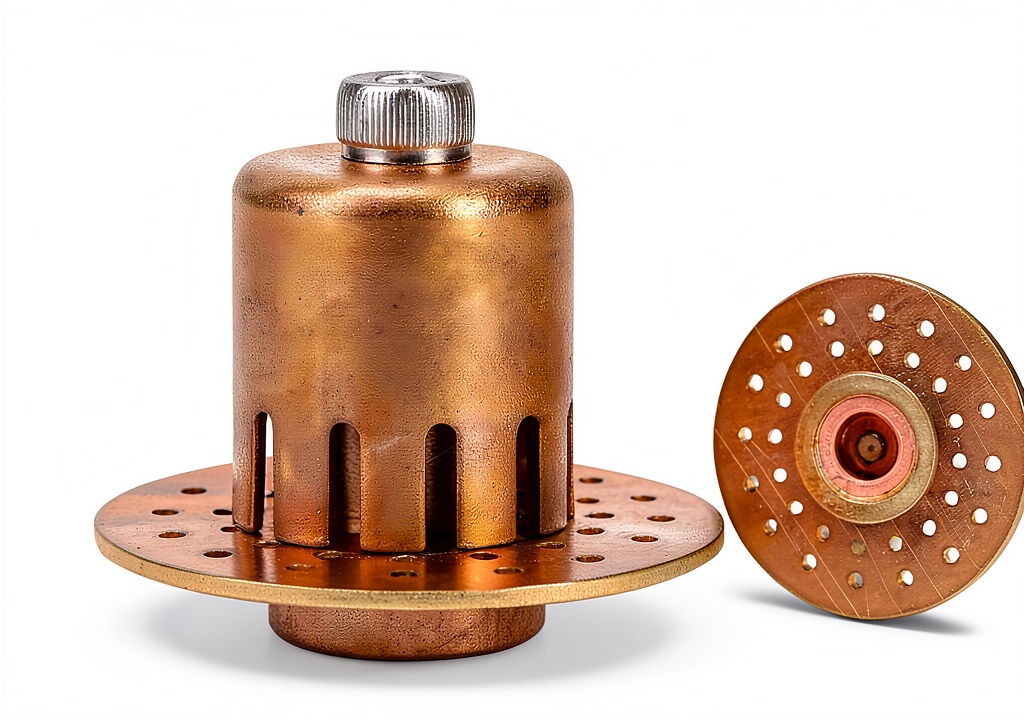
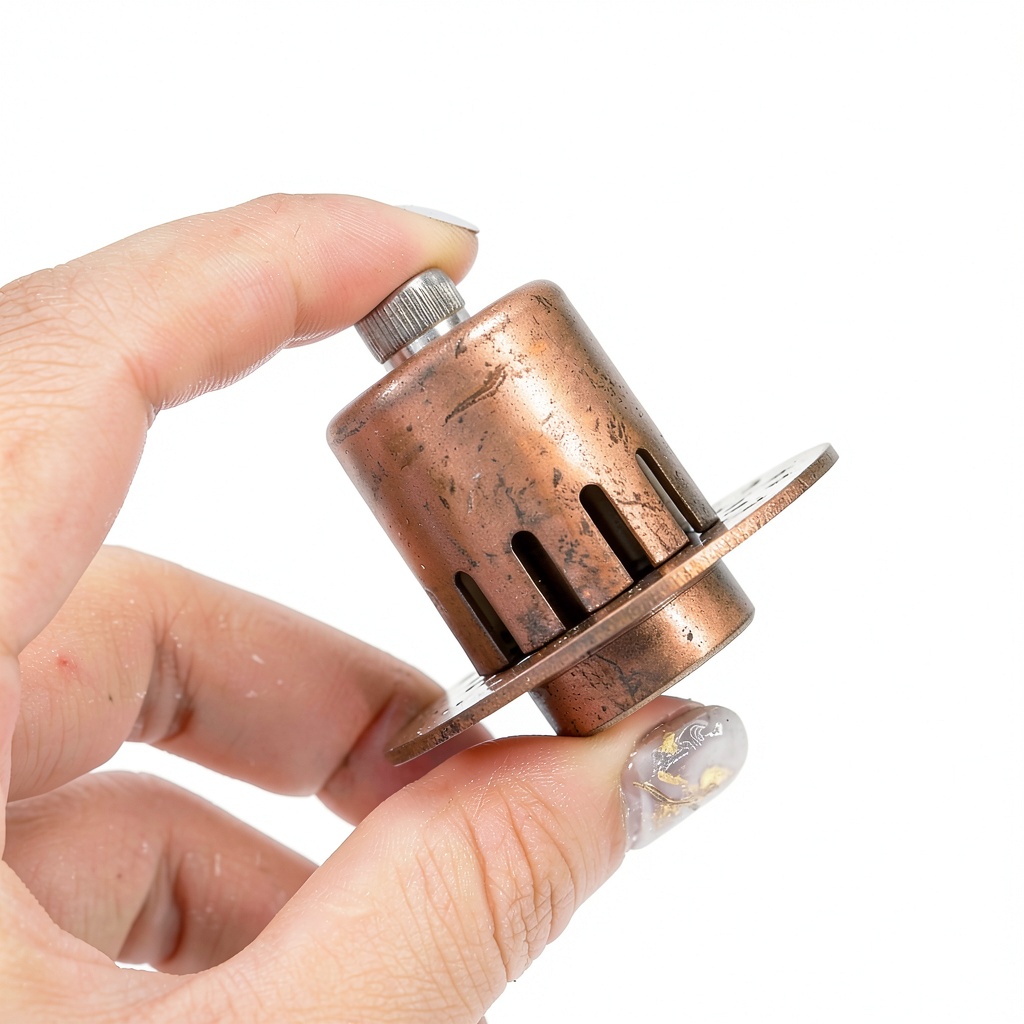
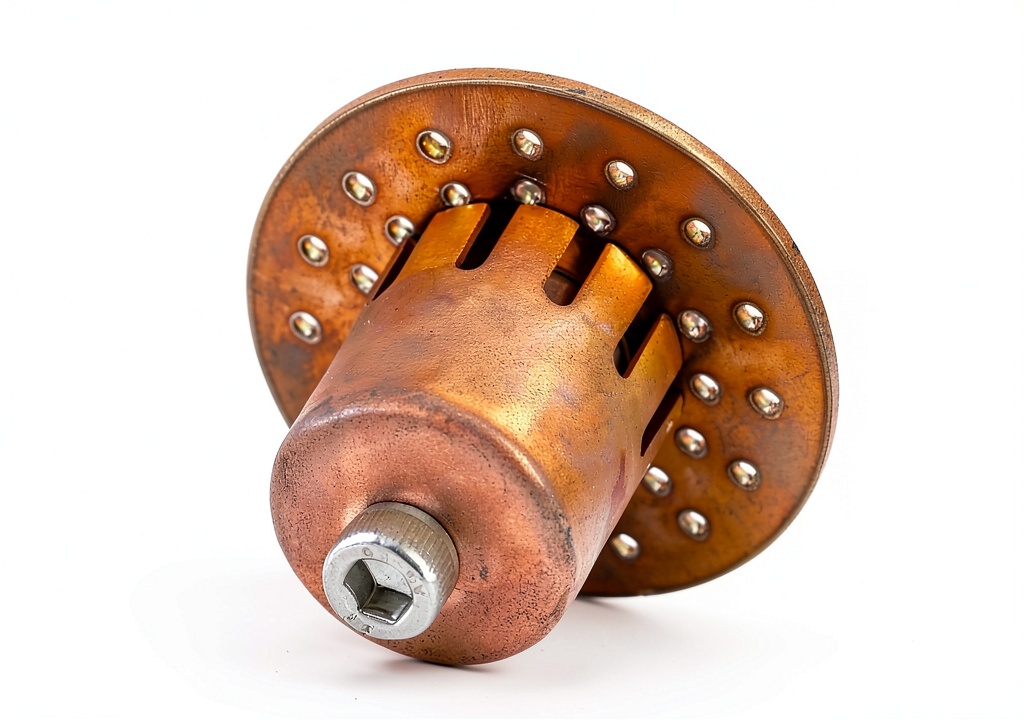
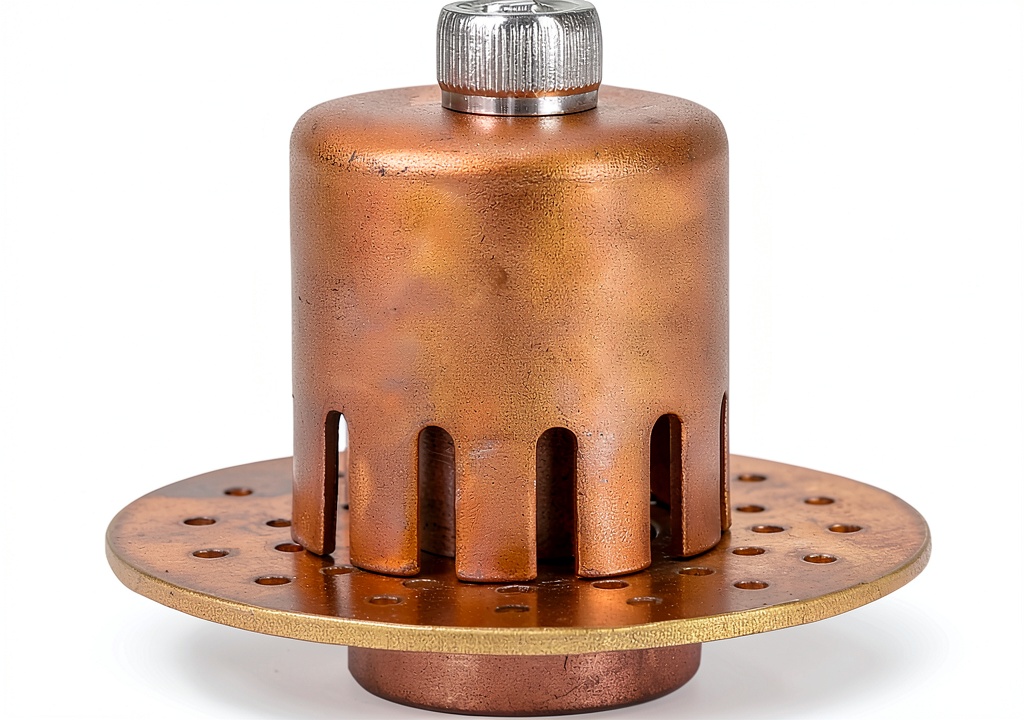
The 2″ Distillation Copper Bubble Plate by BuleVina is engineered for precision laboratory and home distillation applications. Constructed from 99.9% red copper, the plate offers superior thermal conductivity and chemical resistance, ensuring consistent performance over extended use. Its dimensions of 2.05 inches in diameter and a thickness of 0.07 inches provide a perfect fit for standard 2″ (OD54mm) reflux columns equipped with NPT thread connections. The copper material is annealed to reduce internal stress, minimizing the risk of cracking under thermal cycling. A smooth, polished exterior finish not only enhances aesthetic appeal but also facilitates easy cleaning and maintenance, reducing downtime between experiments.
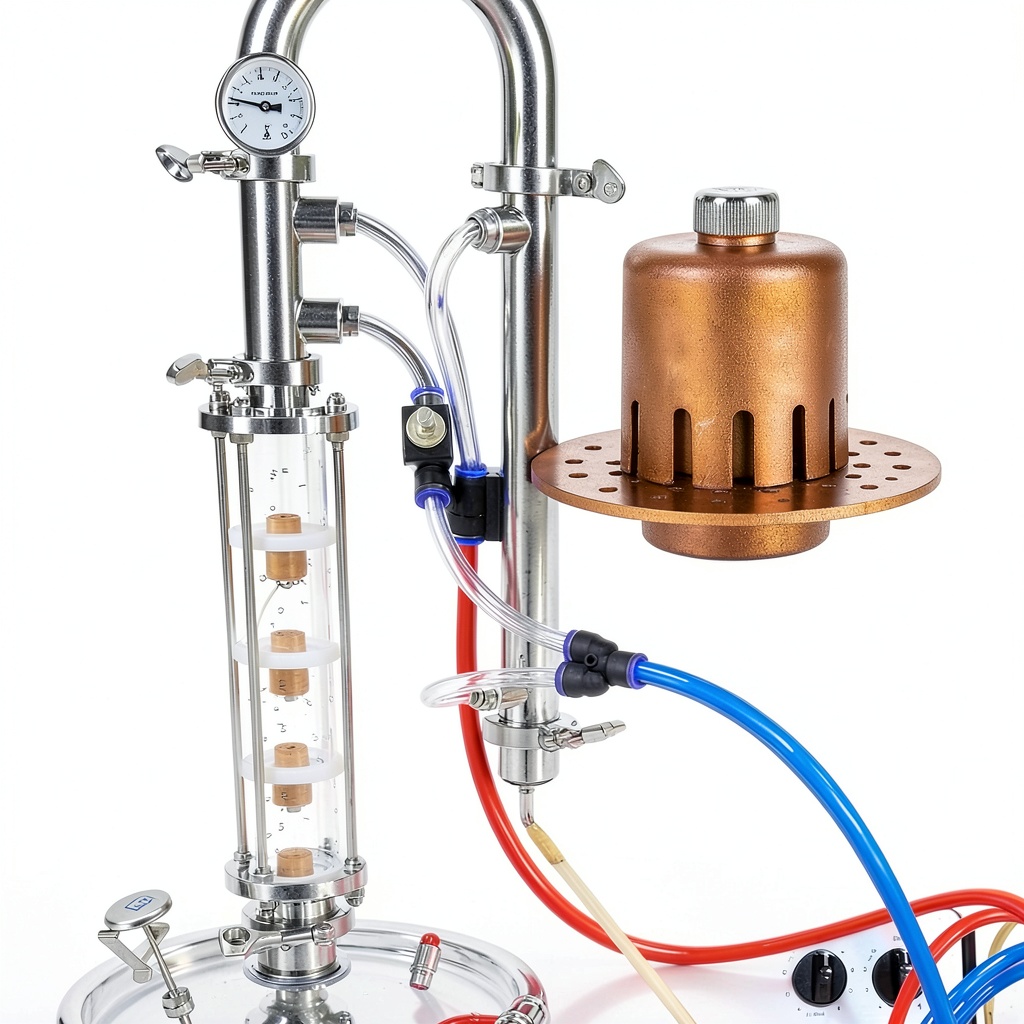
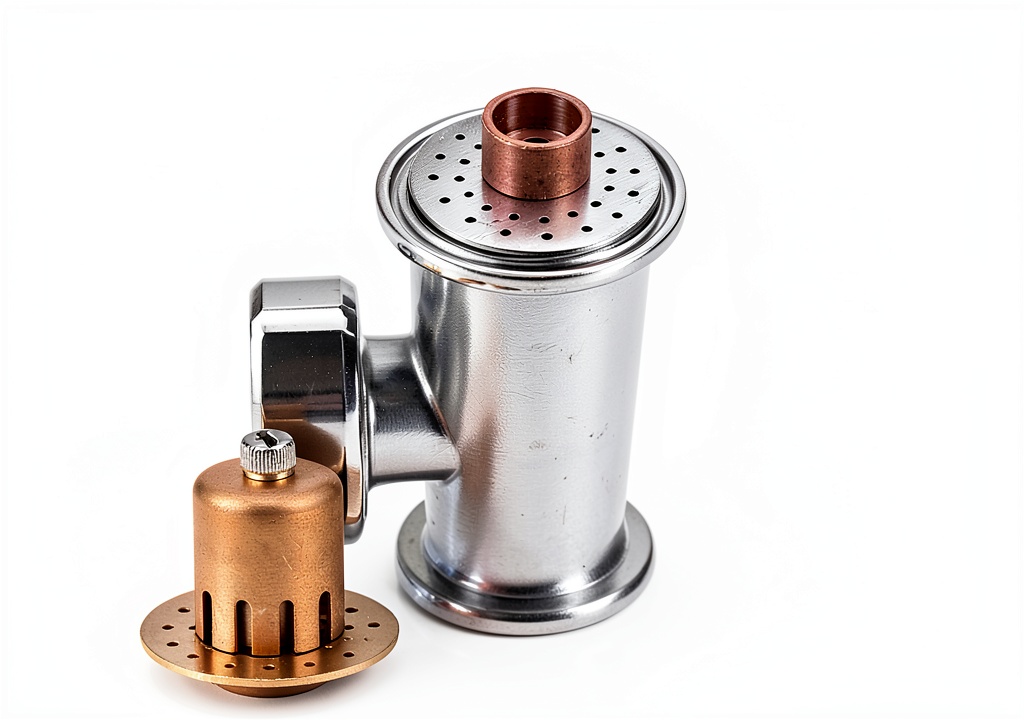
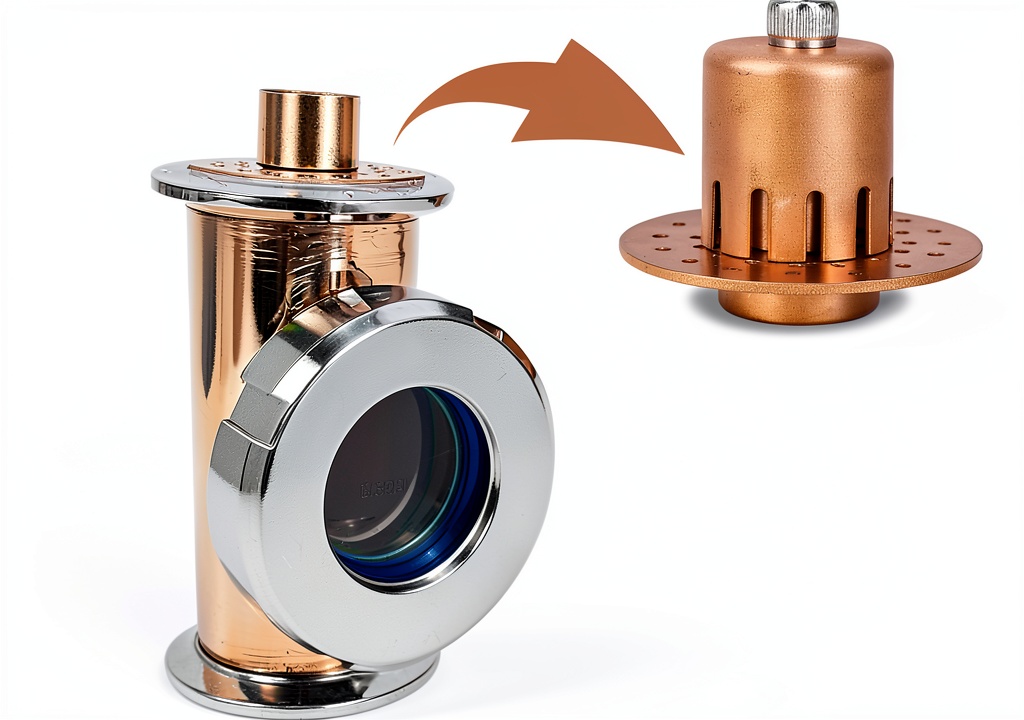
Designed with a cap connector type and a 2‑inch thread size, the bubble plate integrates seamlessly into existing distillation setups without requiring additional adapters. The NPT thread ensures a leak‑free seal, while the compact footprint of 2 × 2 × 1.8 inches allows for efficient space utilization inside glass column housings. The plate’s weight of 3.52 ounces contributes to stable positioning, preventing vibration that could disrupt the delicate balance of vapor and liquid phases. Compatibility with a wide range of laboratory glassware makes this component a versatile addition for chemists, researchers, and hobbyists alike.
The manufacturing workflow incorporates computer‑numerical‑controlled (CNC) machining to achieve tolerances within ±0.01 inches, guaranteeing that each perforation aligns perfectly with the column’s flow dynamics. After machining, the plate undergoes an annealing heat treatment that relieves internal stresses and enhances ductility, which is critical for withstanding rapid temperature fluctuations during distillation cycles. A final polishing step removes any microscopic burrs, delivering a mirror‑like surface that resists fouling and simplifies cleaning. Each batch is sampled for copper purity using spectroscopic analysis, confirming the 99.9% composition and ensuring that no trace contaminants compromise the chemical integrity of the distillation process.
The plate’s exterior copper finish not only provides aesthetic appeal but also serves a functional purpose by acting as a heat sink that distributes thermal energy evenly across the column. This uniform heat distribution reduces the formation of hot spots, which can lead to localized overheating and degradation of temperature‑sensitive compounds. Additionally, the plate’s design includes a cap connector that simplifies installation, allowing users to secure the component with a single turn of the NPT thread, eliminating the need for complex fittings or additional sealing components.
Environmental stewardship is a core value for BuleVina, and the bubble plate reflects this ethos through its recyclable copper composition and minimal packaging waste. The copper can be reclaimed and re‑melted at the end of its service life, reducing the demand for virgin metal extraction. Packaging is composed of biodegradable cardboard and a protective foam insert made from recycled materials, ensuring that the product’s ecological footprint remains low while still providing adequate protection during shipping.
Field testing across academic laboratories and small‑scale production facilities has demonstrated the plate’s ability to consistently raise separation efficiency by up to 20 % compared with columns lacking a bubble plate. In one case study, a university chemistry department reported a marked increase in ethanol purity from 92 % to 98 % after installing the BuleVina plate in their reflux setup, reducing the need for additional purification steps. Similar performance gains have been observed in essential‑oil extraction processes, where the enhanced vapor‑liquid interaction leads to higher yields of target compounds. These real‑world results validate the engineering claims and provide tangible evidence of the plate’s value for both research and commercial applications.
Usage
The bubble plate is ideally suited for fractional distillation processes where precise separation of components is critical. By creating a series of small, evenly spaced perforations, the plate promotes intimate contact between rising vapor and descending condensate, thereby increasing the number of theoretical plates within the column. This enhanced interaction leads to sharper separation curves and higher purity end products, whether the target is ethanol, essential oils, or laboratory solvents.
In a home still environment, the plate’s compact size allows it to be installed in portable glass columns without compromising performance. Users can achieve consistent batch runs with reduced loss of product, thanks to the plate’s ability to maintain a stable reflux ratio. The copper construction also helps dissipate heat evenly, preventing hot spots that could degrade heat‑sensitive compounds. For educational labs, the clear visual of vapor bubbles forming on the plate provides a tangible demonstration of phase change dynamics.
The plate is compatible with standard NPT‑threaded reflux condensers, allowing seamless integration with existing laboratory setups. Its durability ensures that it can withstand repeated heating and cooling cycles typical of multi‑step syntheses, making it a reliable component for long‑term research projects. Operators should wear gloves when first handling the plate to prevent surface oxidation, a precaution that preserves the copper’s conductive properties and extends the lifespan of the device.
In industrial research settings where multiple components are separated simultaneously, the bubble plate’s ability to increase the number of theoretical plates can dramatically improve throughput. By reducing the number of required column stages, laboratories can achieve the same separation quality with shorter columns, freeing up valuable bench space. The plate’s robust construction also tolerates the higher pressures often encountered in scaled‑up processes, making it suitable for pilot‑plant applications where reliability is paramount.
For educational demonstrations, the clear visual of bubbles forming on the copper surface provides an intuitive illustration of phase change and reflux principles. Instructors can use the plate to show how increased surface area and controlled vapor pathways lead to more efficient separation, reinforcing theoretical concepts with hands‑on observation. The plate’s durability ensures that it can withstand repeated classroom use without degradation, offering a cost‑effective teaching tool that aligns with curriculum standards for chemistry and chemical engineering programs.
Safety considerations are integral to successful distillation, and the copper bubble plate contributes to a safer operating environment. Its solid construction eliminates the risk of breakage that can occur with fragile glass internals, reducing the chance of shards contaminating the product or causing injury. The plate’s thermal mass helps dampen sudden temperature spikes, providing a more controlled reflux that lowers the likelihood of runaway reactions. Operators should always wear heat‑resistant gloves when handling the plate during installation or cleaning, and ensure that the column is properly vented to prevent pressure buildup. By integrating the plate, users benefit from both improved performance and an added layer of mechanical robustness.
Why Choose Us
BuleVina’s commitment to quality is reflected in the meticulous manufacturing process of the bubble plate. Each unit undergoes rigorous inspection for dimensional accuracy, surface finish, and material purity, guaranteeing that customers receive a product that meets exacting laboratory standards. The use of high‑grade 99.9% red copper eliminates impurities that could catalyze unwanted side reactions, preserving the integrity of sensitive chemical processes.
Thermal conductivity of copper ensures rapid heat transfer, reducing temperature gradients within the column and promoting uniform reflux. This property not only accelerates the distillation process but also minimizes energy consumption, offering cost savings for both academic and commercial operations. The annealed structure further reduces internal stresses, providing resistance to deformation even under prolonged high‑temperature exposure.
Customer feedback highlights the plate’s ease of installation and its immediate impact on separation efficiency. With an average rating of 4.4 stars from over thirty reviewers, users consistently note the reduction in product loss and the improvement in final purity. BuleVina also offers responsive technical support, assisting users with installation guidance, troubleshooting, and performance optimization.
All components are shipped with a protective packaging that safeguards the delicate copper surface during transit, ensuring the product arrives in pristine condition. The company’s commitment to sustainability is reflected in the use of recyclable materials for packaging and the long‑life expectancy of the copper plate, reducing waste and supporting environmentally responsible laboratory practices.
BuleVina’s after‑sales service includes a dedicated technical hotline staffed by experienced engineers who can provide real‑time assistance for installation, troubleshooting, and performance tuning. Customers receive a comprehensive user manual that outlines best practices, safety precautions, and step‑by‑step procedures for integrating the bubble plate into various column configurations. This proactive support framework reduces downtime and empowers users to achieve optimal results with confidence.
The company’s quality assurance program follows ISO 9001 standards, incorporating systematic audits, traceability of raw materials, and continuous improvement cycles. Each batch of bubble plates is assigned a unique serial number, enabling precise tracking and facilitating rapid response in the unlikely event of a defect. This rigorous approach underscores BuleVina’s dedication to delivering reliable, high‑performance components that meet the exacting demands of modern laboratory and industrial environments.
BuleVina backs the copper bubble plate with a one‑year limited warranty that covers manufacturing defects and material failures, giving customers confidence in their investment. Should any issue arise, the company’s support team coordinates rapid replacement or repair, minimizing disruption to ongoing projects. In addition to warranty coverage, BuleVina actively participates in recycling programs that accept used copper components for re‑processing, aligning with circular economy principles. This commitment to after‑sales service and environmental responsibility differentiates the brand in a market where many suppliers offer only basic product guarantees. Users can therefore rely on both product durability and a responsive partner throughout the product’s lifecycle.
Key Features
- High‑purity 99.9% red copper construction ensures excellent thermal conductivity and chemical resistance.
- Precisely machined 2″ OD54mm size fits standard reflux columns without adapters, providing a leak‑free NPT seal.
- Bubble plate design creates uniform vapor‑liquid contact, increasing theoretical plates and improving product purity.
- Compact 2 × 2 × 1.8 inches footprint saves space in glass column housings and reduces vibration.
- Responsive after‑sales support offers installation assistance, troubleshooting, and performance optimization for peace of mind.
FAQ
What size bubble plate should I choose for my reflux column?
The bubble plate is sized to match a 2‑inch (OD54mm) reflux column, which is the most common diameter for laboratory glassware. When selecting a plate, verify that the column’s thread is NPT and that the internal diameter matches the 2‑inch specification. If your column uses a different thread type, you may need an adapter, but the plate itself will not fit properly on a column larger than 2 inches. For columns with a smaller diameter, the plate may cause excessive restriction of vapor flow, reducing efficiency. Always measure the column’s outer diameter and thread pitch before purchase to ensure a seamless fit and optimal performance. Additionally, consider the column length; longer columns benefit more from the added theoretical plates, while very short columns may see limited gain. Consulting the column manufacturer’s specifications can further confirm compatibility.
How does the copper material improve distillation performance?
Copper’s high thermal conductivity allows heat to spread quickly across the bubble plate, minimizing temperature gradients that can cause uneven reflux. This uniform heat distribution helps maintain a stable boiling point throughout the column, which is essential for achieving sharp separation of components. Moreover, copper is chemically inert to most organic solvents, preventing contamination or catalytic side reactions that could alter product composition. The metal’s durability also means the plate resists deformation and cracking after repeated heating and cooling cycles, ensuring consistent performance over many distillation runs. Because copper can be easily polished, any surface oxidation can be removed, restoring optimal contact between vapor and liquid and extending the lifespan of the apparatus.
Can this bubble plate be used with glass columns made of materials other than copper?
The bubble plate itself is made of copper, but it is designed to be installed inside glass columns that may be constructed from borosilicate glass, quartz, or other laboratory‑grade materials. The key factor is the column’s internal diameter and thread type, not the material of the column wall. As long as the column has a 2‑inch (OD54mm) NPT connection, the copper plate will fit securely and function correctly. However, if the column material is highly reactive with copper, such as certain acidic solutions, a protective coating or a brief pre‑cleaning step may be advisable to prevent surface discoloration. In most standard laboratory setups, the copper plate works reliably with a variety of glass column types.
What maintenance steps are recommended to keep the bubble plate performing optimally?
Regular maintenance helps preserve the copper surface and maintain efficient vapor‑liquid interaction. After each distillation run, allow the plate to cool to room temperature, then gently rinse it with distilled water to remove any residual solvents or salts. For stubborn residues, a mild acid wash such as a diluted citric acid solution can be used, followed by thorough rinsing with deionized water. Once cleaned, dry the plate with a lint‑free cloth and, if desired, apply a thin layer of food‑grade mineral oil to inhibit oxidation, especially if the plate will be stored for an extended period. Inspect the plate periodically for signs of wear or corrosion and replace it if the perforations become blocked or the surface shows significant damage.
Reviews
There are no reviews yet.